01 — FIRST Tech Challenge · Team Tesseract

Robotics

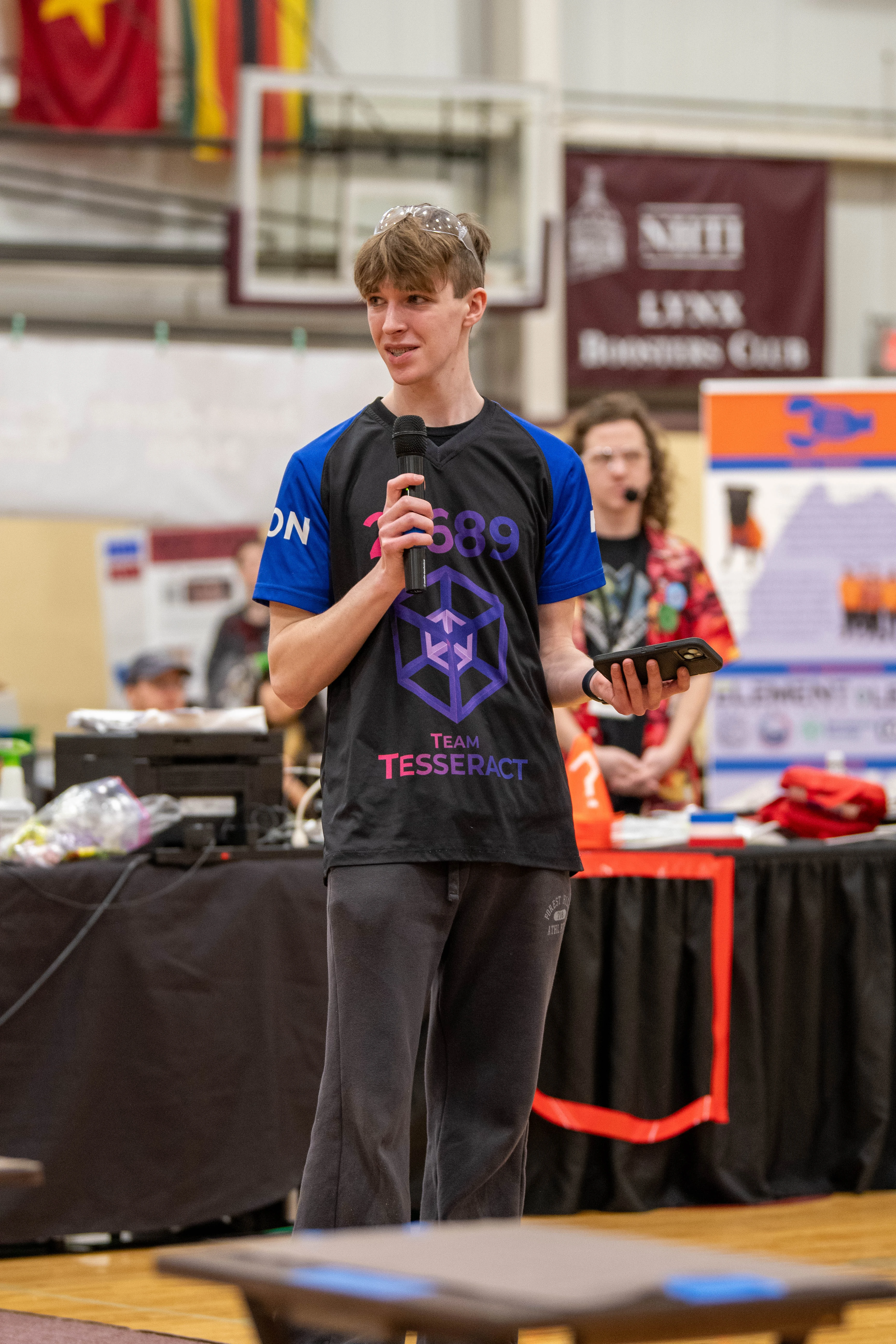
Robotics is my life — though not in the way that might first come to mind. I don’t merely compete, though when I do, I compete well; I don’t merely build robots, though I’ve built real depth in CAD, programming, and everything technical along the way. What matters more is using robotics as a vehicle for something bigger than itself: the foundational skills that will serve me wherever I go next. I’ve raised thousands of dollars for a team I once had no idea how to fund, built relationships with company founders and CEOs, and organized outreach events designed to outlast my own time on the team. When I say I do robotics, I want people to hear past the competition results — toward everything it actually teaches that’s hard to learn anywhere else.

5

Seasons competing (entering Year 5)

3x

1st Inspire Award — FTC’s highest honor

8

Competitions won

45

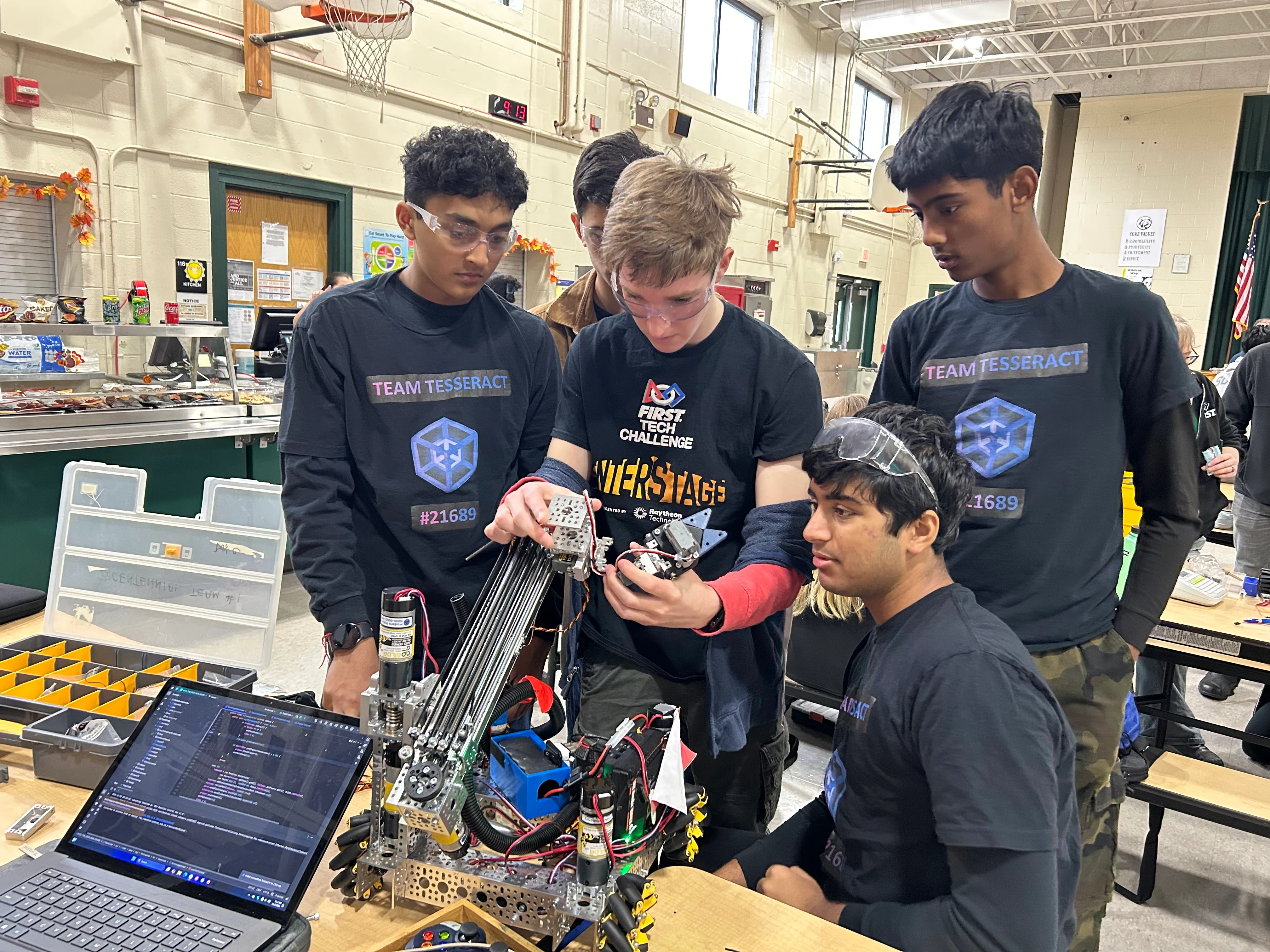
Students mentored across 5 FTC teams

“This student turns innovation into action, designing fully cadded robots and building a lasting manufacturing pipeline for the team. They lead through guided independence, creating new programs to write autonomous code and mentoring teams locally and globally. Their impact reaches far beyond competition — they organize science fairs, they raise funds for STEM access, and bring FIRST to statewide audiences. They model true Gracious Professionalism and Cooperation, they help opponents, uplift teammates, and ensure every voice is valued. And most importantly, they build systems, resources, and relationships that will strengthen FIRST long after graduation.”

— FIRST New Hampshire Leadership, naming Jason a New Hampshire Dean’s List FIRST Leadership Award winner (FTC Decode)

The Journey

Five seasons, one continuous build.

From a rookie who had never touched a robot to team captain leading mechanical, software, and outreach.

  1. Power Play

    Rookie Season

    Having never done robotics before, I rose to contributing multiple hours a week and becoming a key player on the team — earning the second pick on the No. 1 alliance at the State Championship and going on to compete in the state finals.

    • Rookie season
    • Key contributor
    • State finalist
  2. Center Stage

    Year 2

    I grew quickly as both a programmer and a leader, becoming team captain. I won my first-ever competition, earned the Inspire Award, was the first pick on the finalist alliance at States, and finished with a top-200 Autonomous OPR worldwide.

    • Team captain
    • Inspire Award
    • Competition champion
    • Top 200 Auto OPR (world)
  3. Into the Deep

    Year 3 · Team Captain

    As team captain, I became a multi-disciplinary contributor across mechanical, software, and fabrication. We won the State Championship and reached the No. 1 alliance at the divisional level of the World Championship — the same year I expanded into outreach, federal advocacy, and extensive mentorship.

    • Team captain
    • State champion
    • World Championship — No. 1 alliance (division)
  4. Decode

    Year 4 · Most Recent

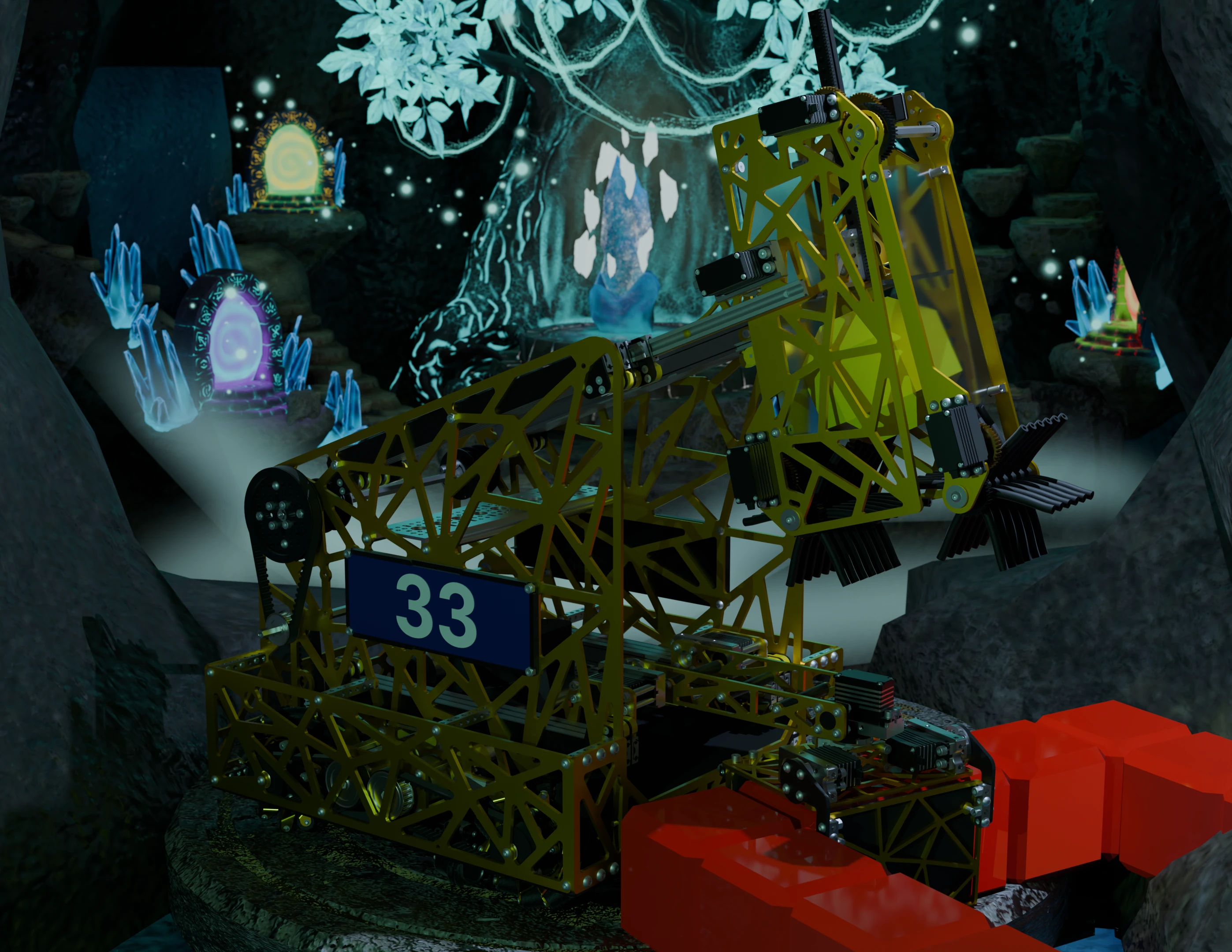
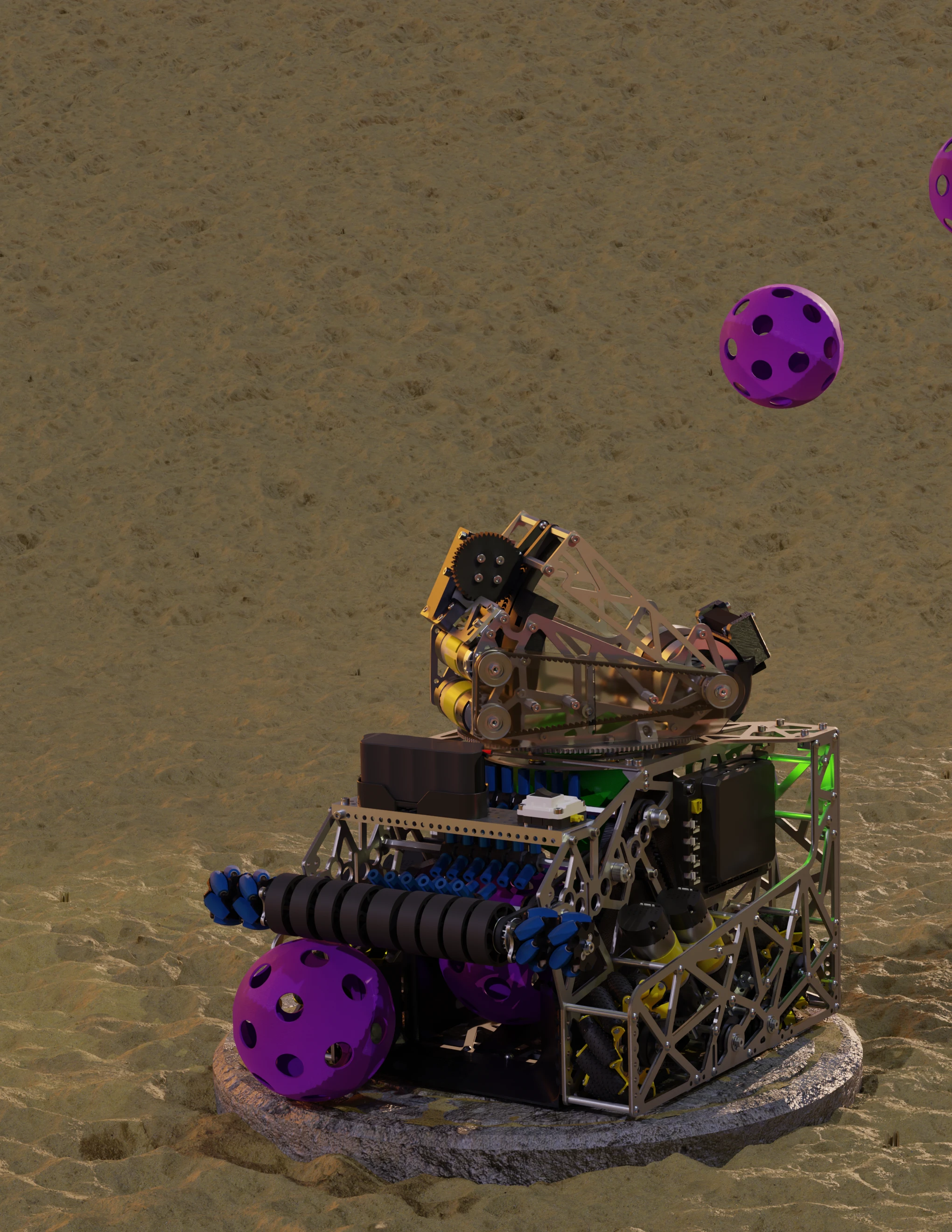
    This season was defined by full custom manufacturing — I designed nearly everything in CAD from the ground up. We won both qualifiers we attended and reached the semifinals at both the State Championship and New England’s premier event.

    • Custom CAD & manufacturing
    • 2x qualifier champion
    • State & regional semifinalist

Recognition

Awards & Highlights

01 / Team Honor

3x Inspire Award

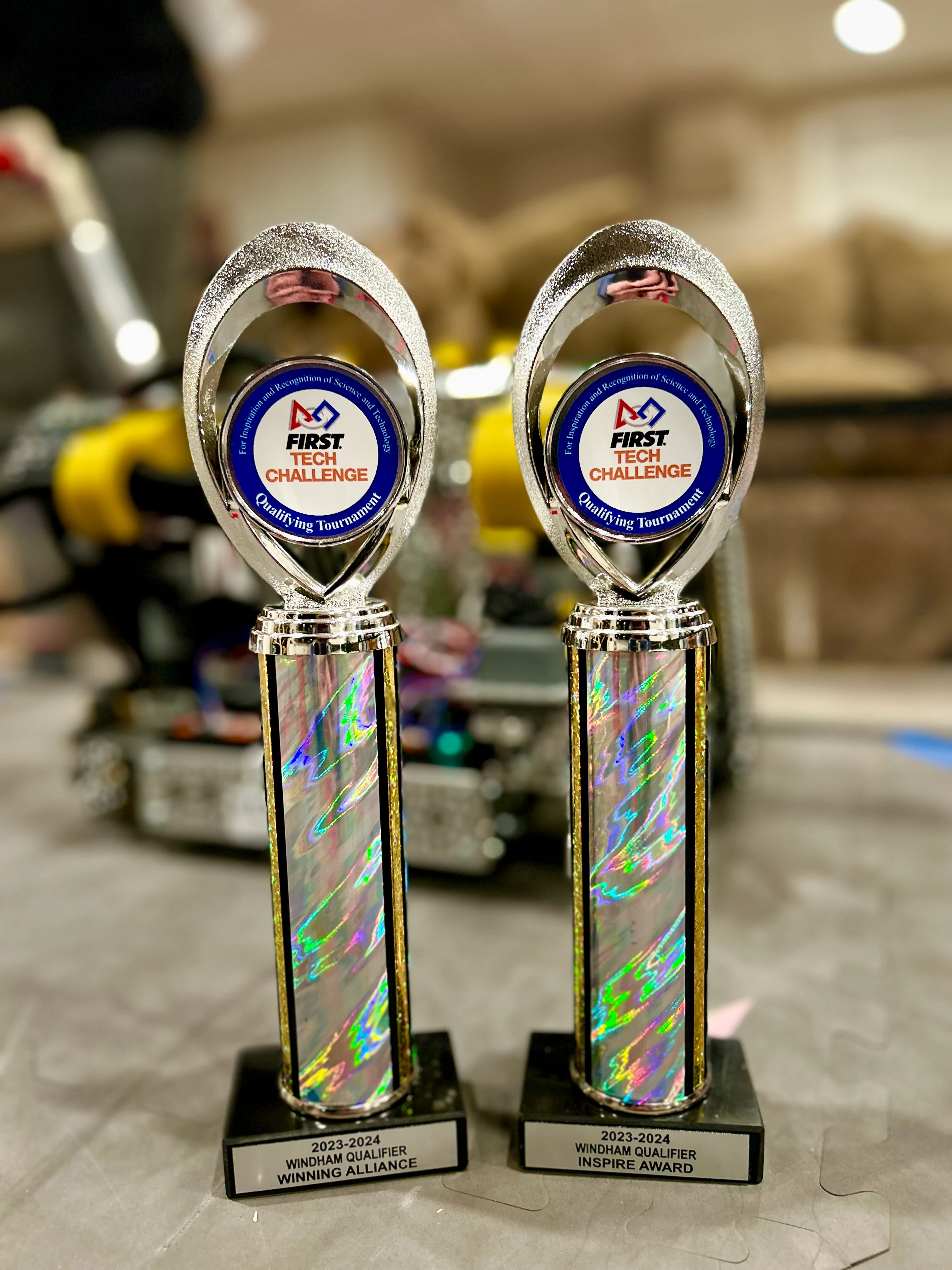
The Inspire Award is the highest honor a team can earn in FIRST Tech Challenge — recognizing the team that most embodies the program’s mission across every judged category. Our team has won it three times across qualifiers and championships.

02 / Individual Honor

FIRST Leadership Award — World Championship Finalist

The FIRST Leadership Award is the highest individual honor in FTC. Nominated by my team as a semifinalist, I was selected as one of New Hampshire’s finalists out of dozens of nominees statewide — ultimately representing New Hampshire as one of roughly 160 finalists worldwide, out of about 110,000 FTC participants, at the World Championship.

03 / Also Recognized

Additional Team Awards

  • Control Award
  • Innovate Award
  • Connect Award

What Robotics Taught Me

Skills I’ve Built

Design

CAD & Mechanical Design

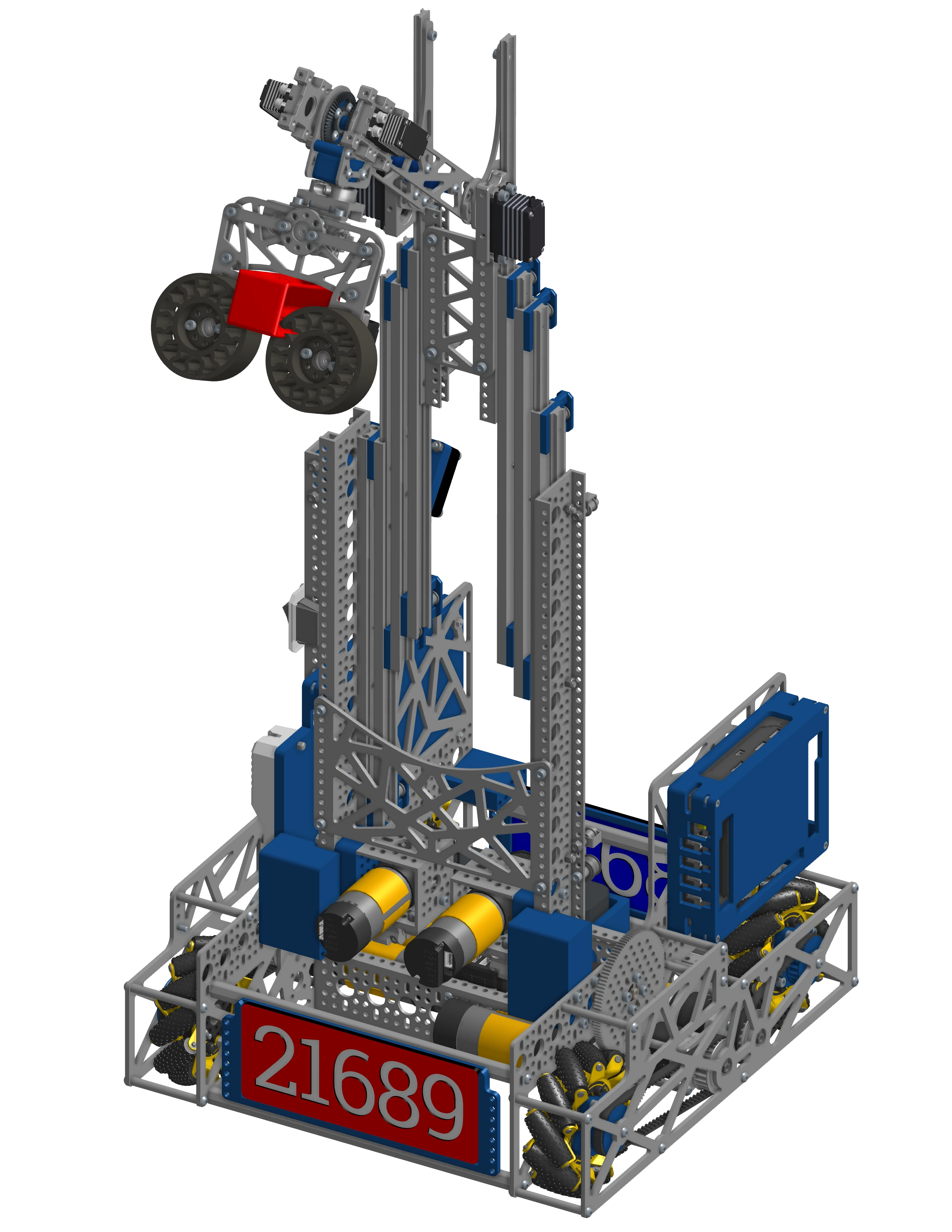
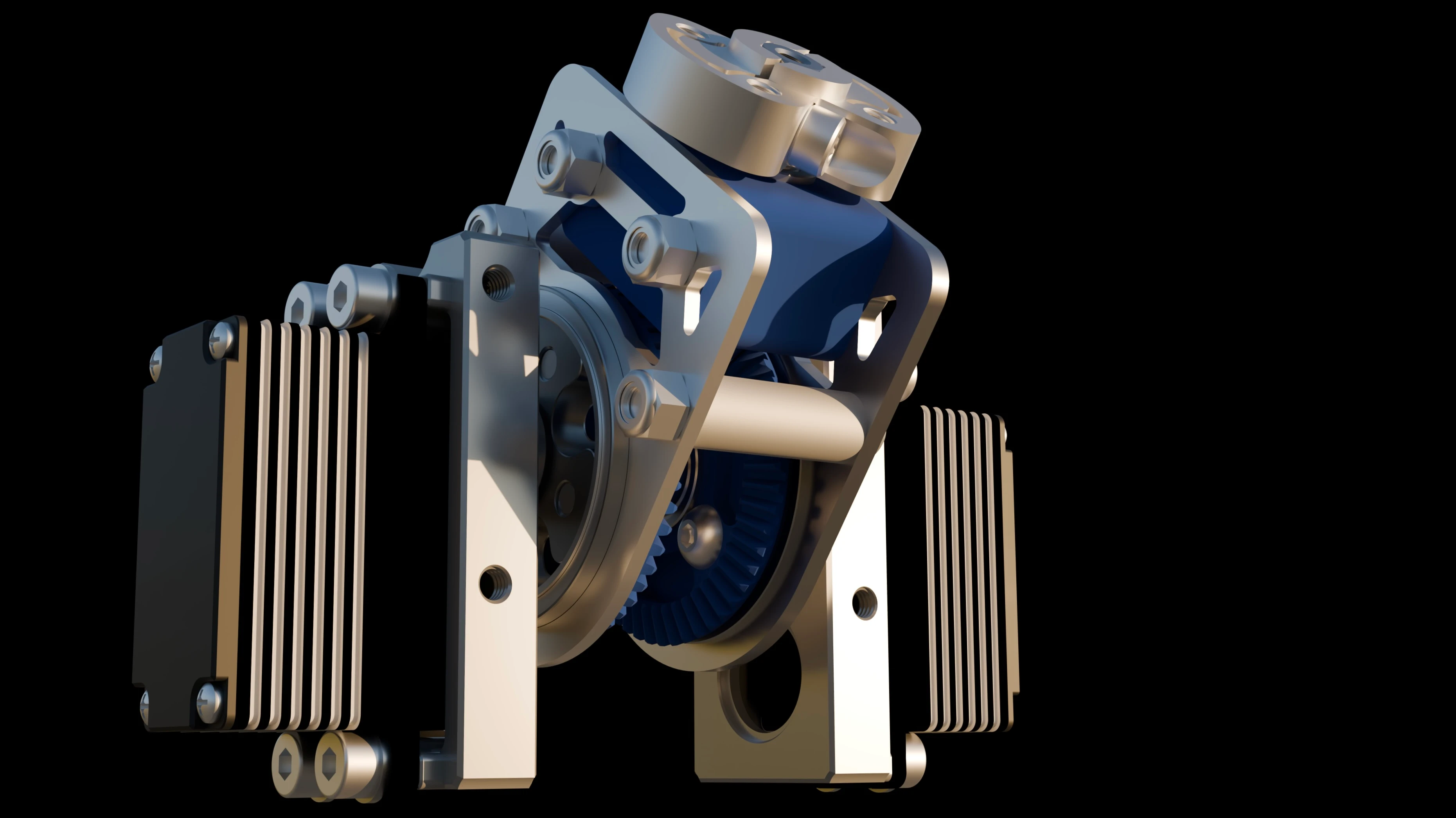
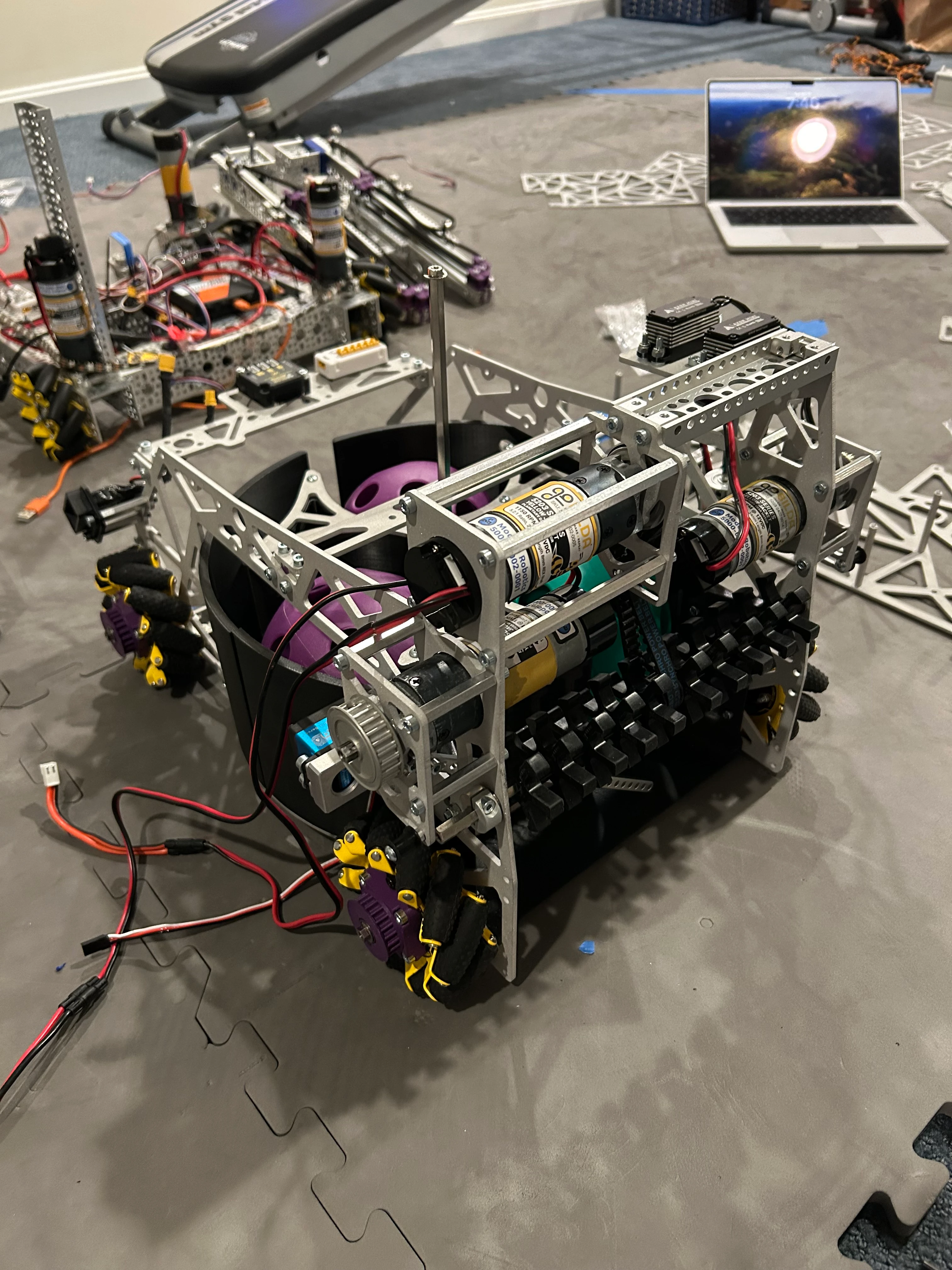
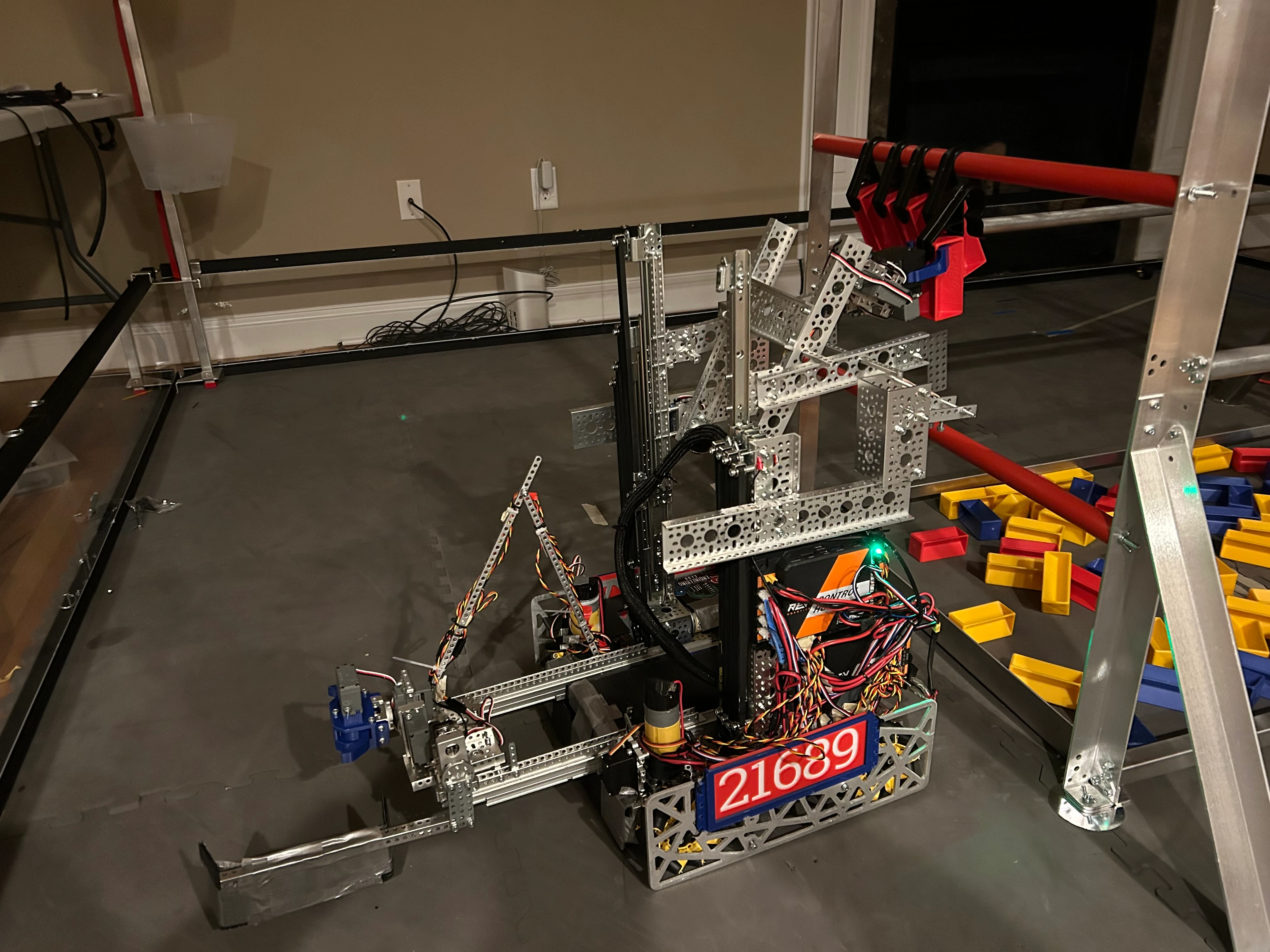
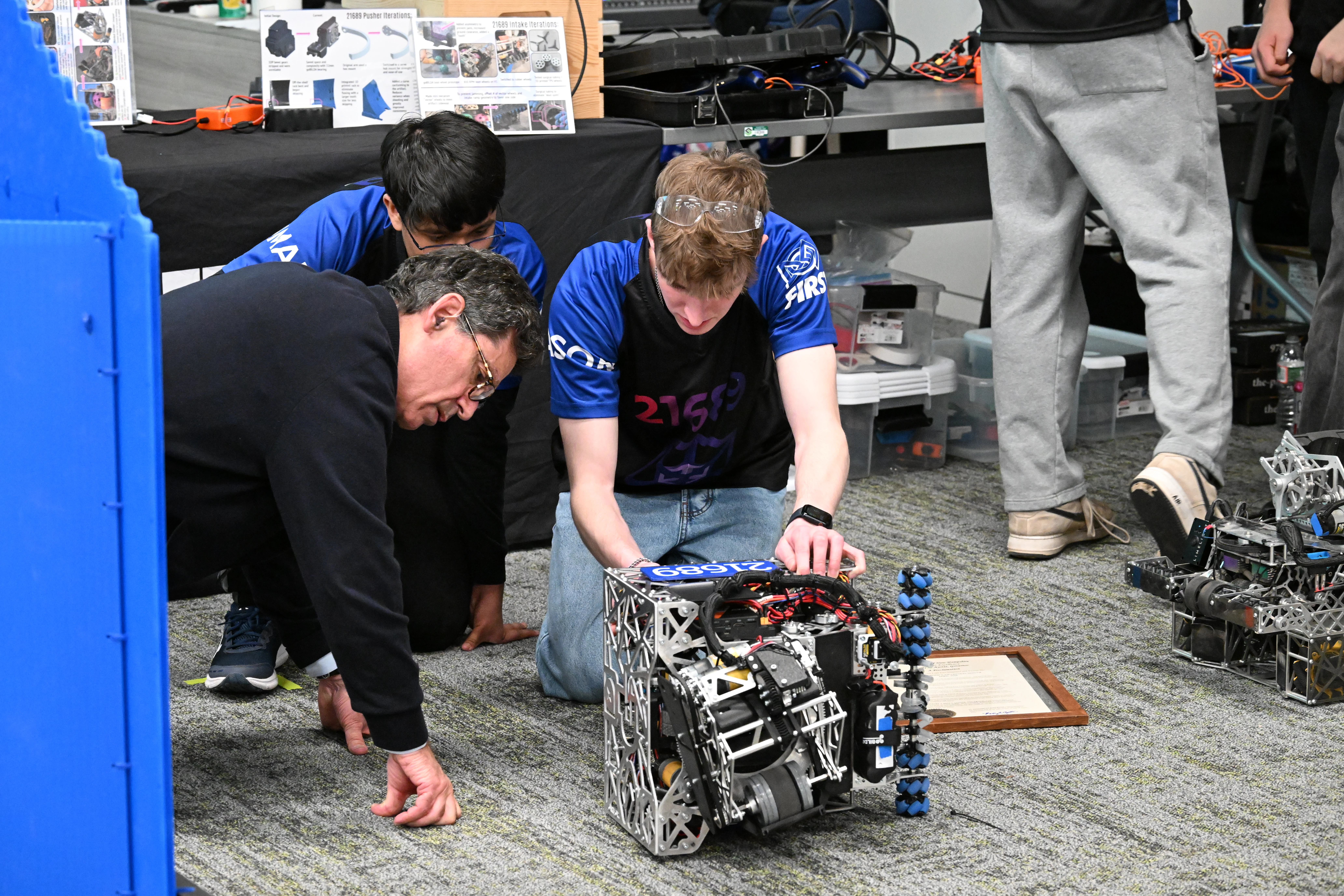
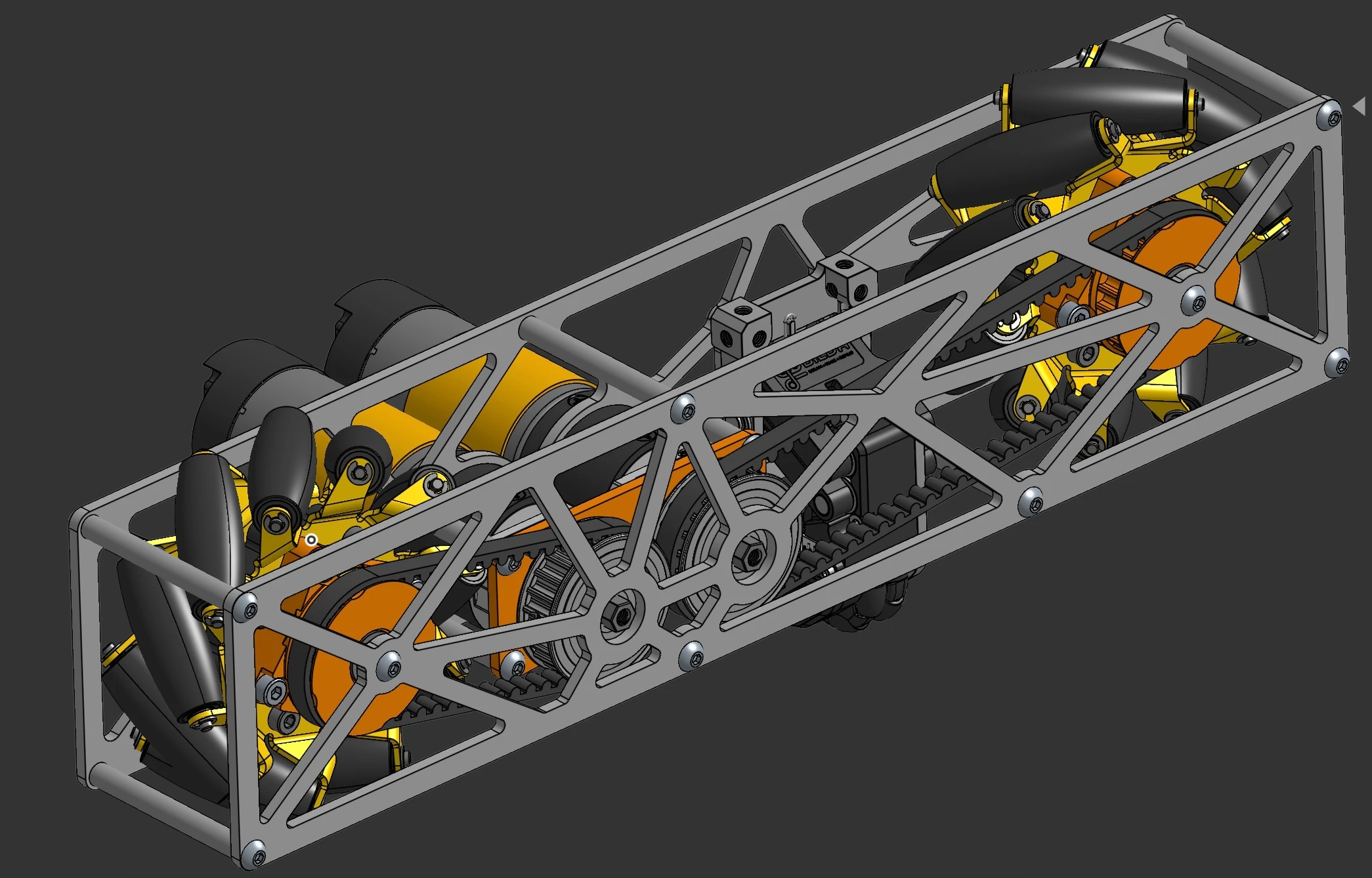
I lead the full mechanical design process for our robots, using Onshape to fully CAD each build before manufacturing begins. I do most of the robot CAD myself, but I also delegate smaller design tasks to interested members and increase the difficulty as they build confidence. That process has taught me how to turn an idea into a complete system that can actually be built, assembled, repaired, and improved, not just something that looks good on a screen.

Build

Manufacturing

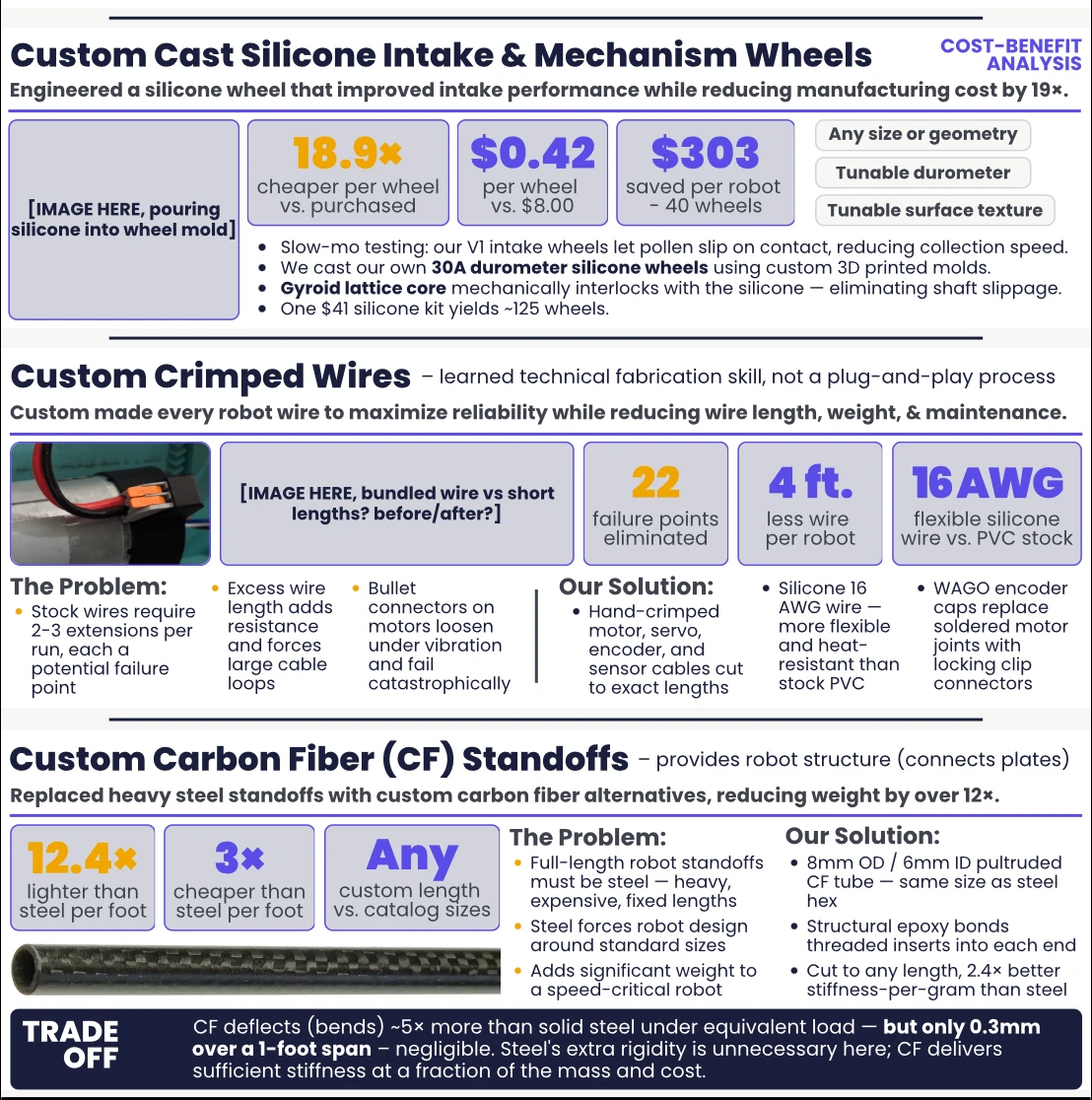
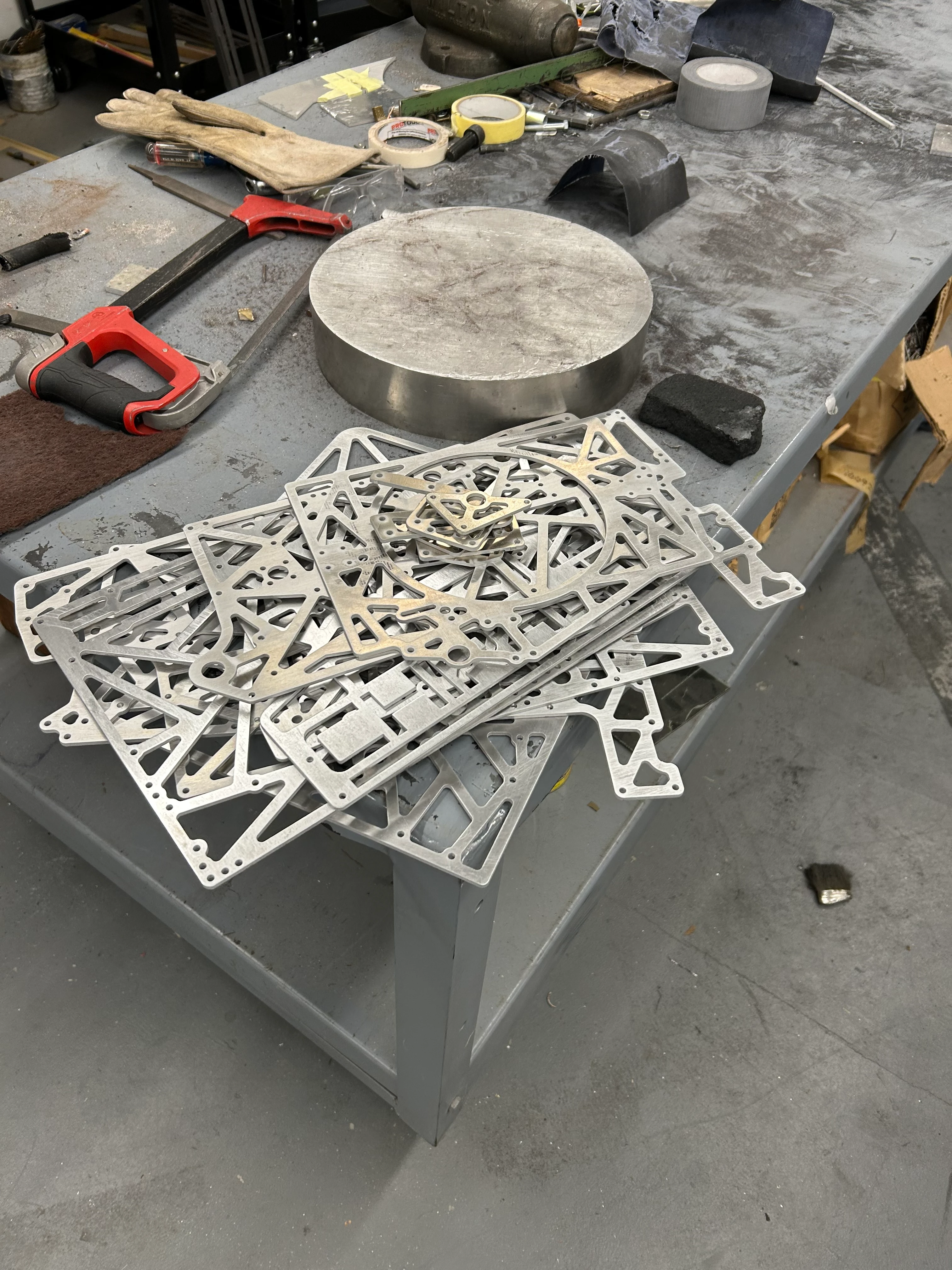
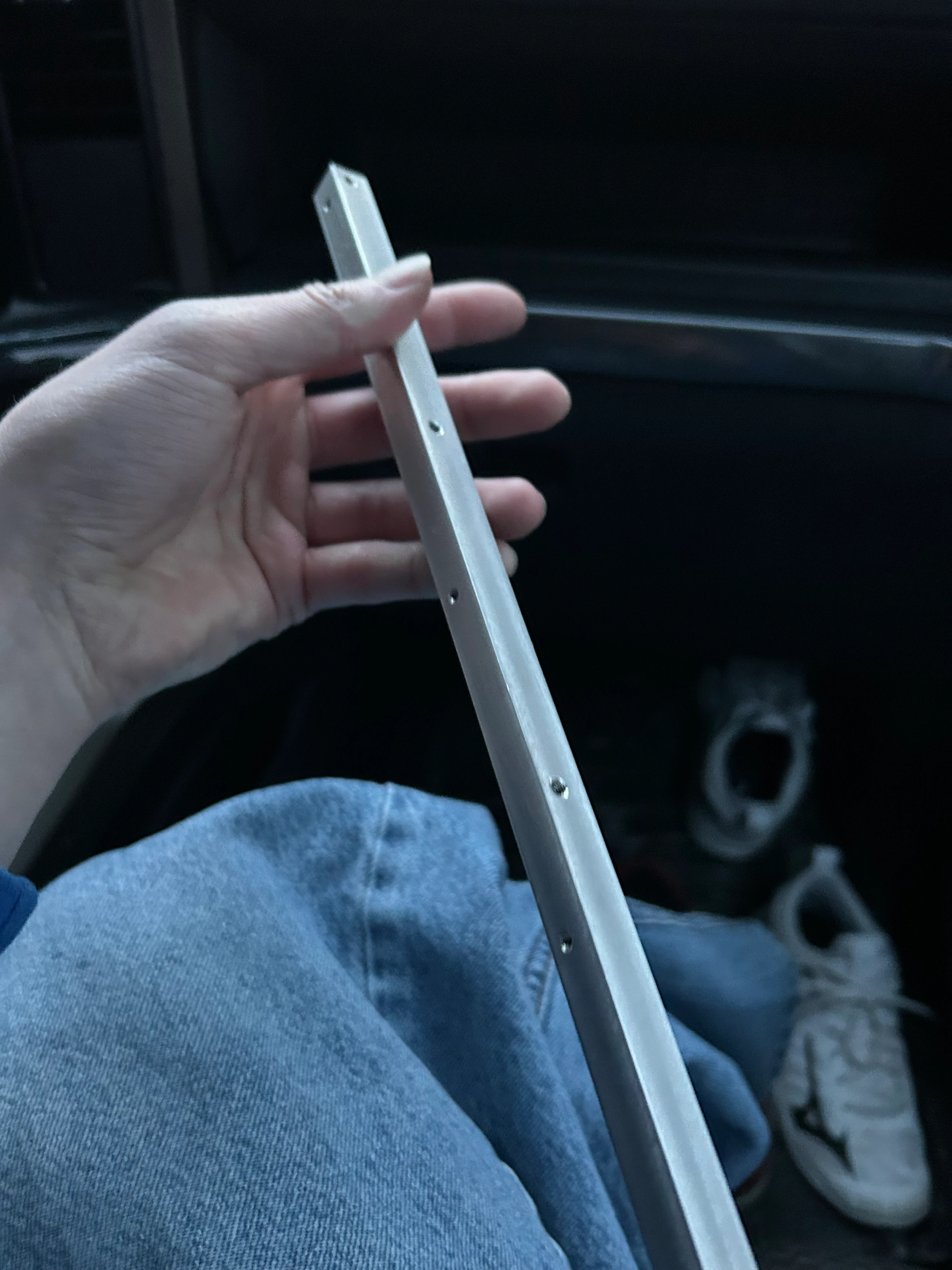
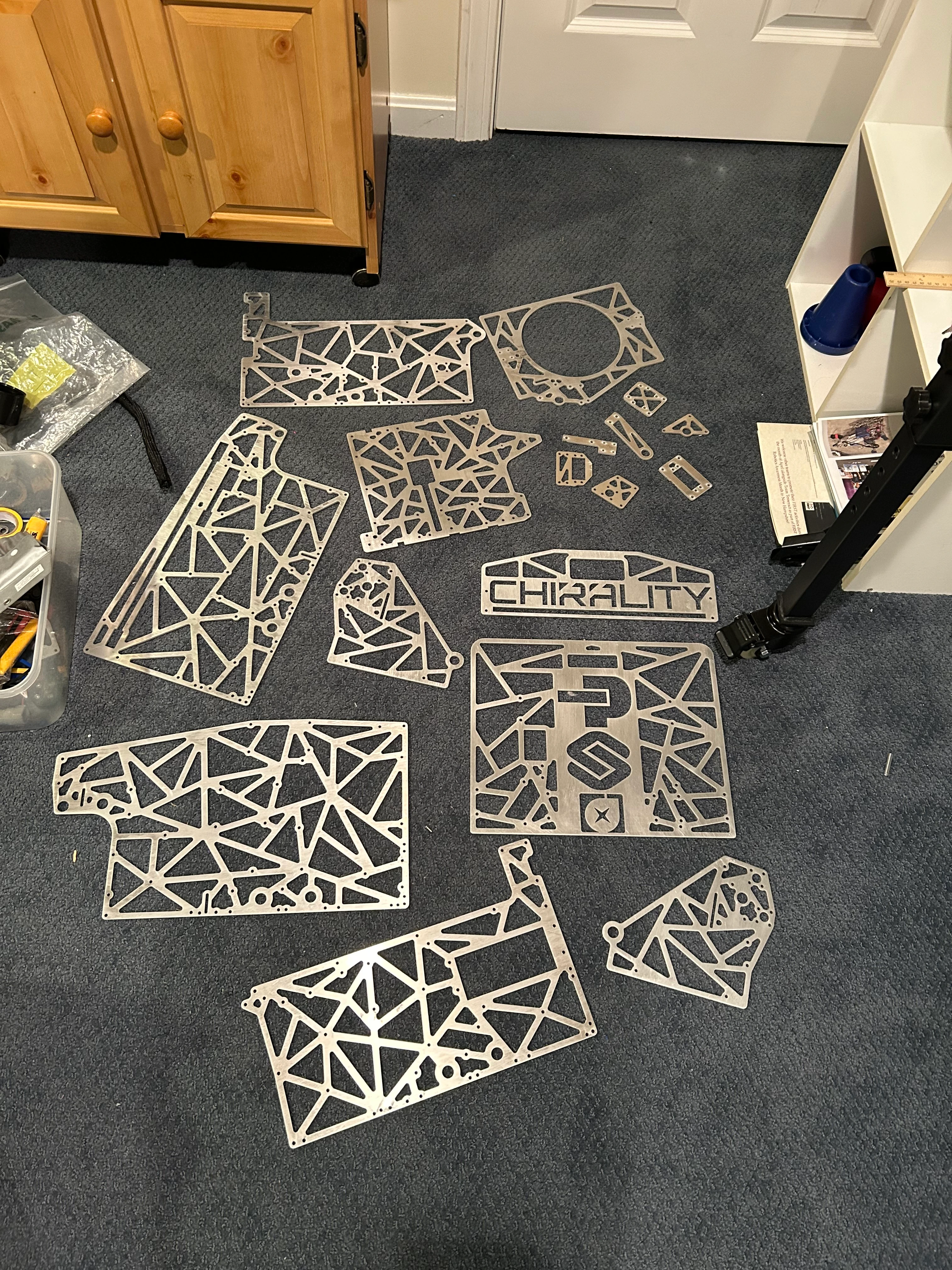
I manufacture the robot parts I design, from slicing 3D prints to making metal and wood plates and preparing custom parts for the final build. I have worked hands-on with water jets, laser cutters, manual milling tools, and other CNC-controlled and manual metal and wood fabrication tools. Manufacturing has taught me that design and fabrication are inseparable: a good part is not just possible in CAD, but practical, repeatable, and worth the setup time when the same skills can be reused across the robot.

Fully autonomous — no driver, program & sensor input only

Software

Programming

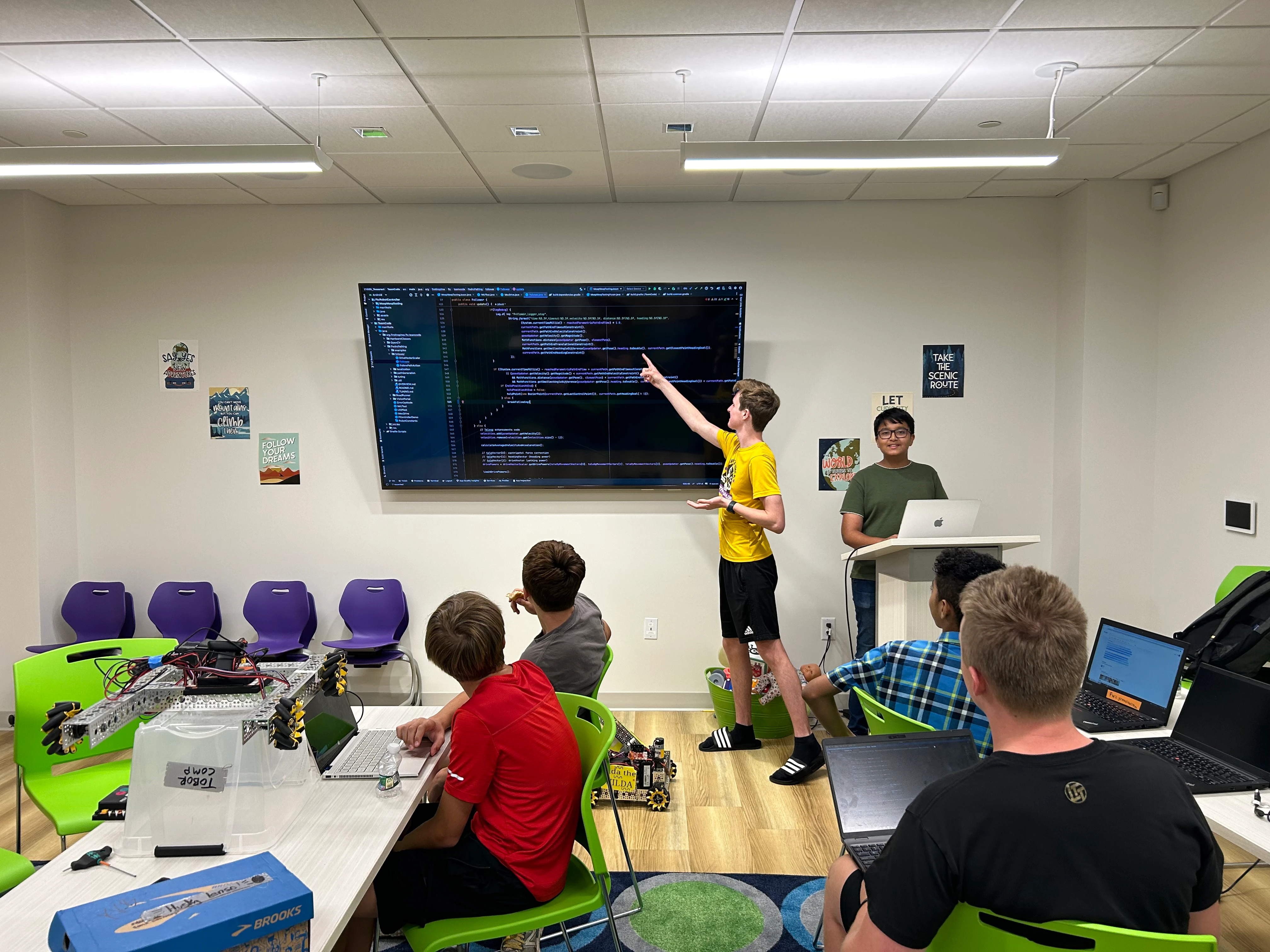
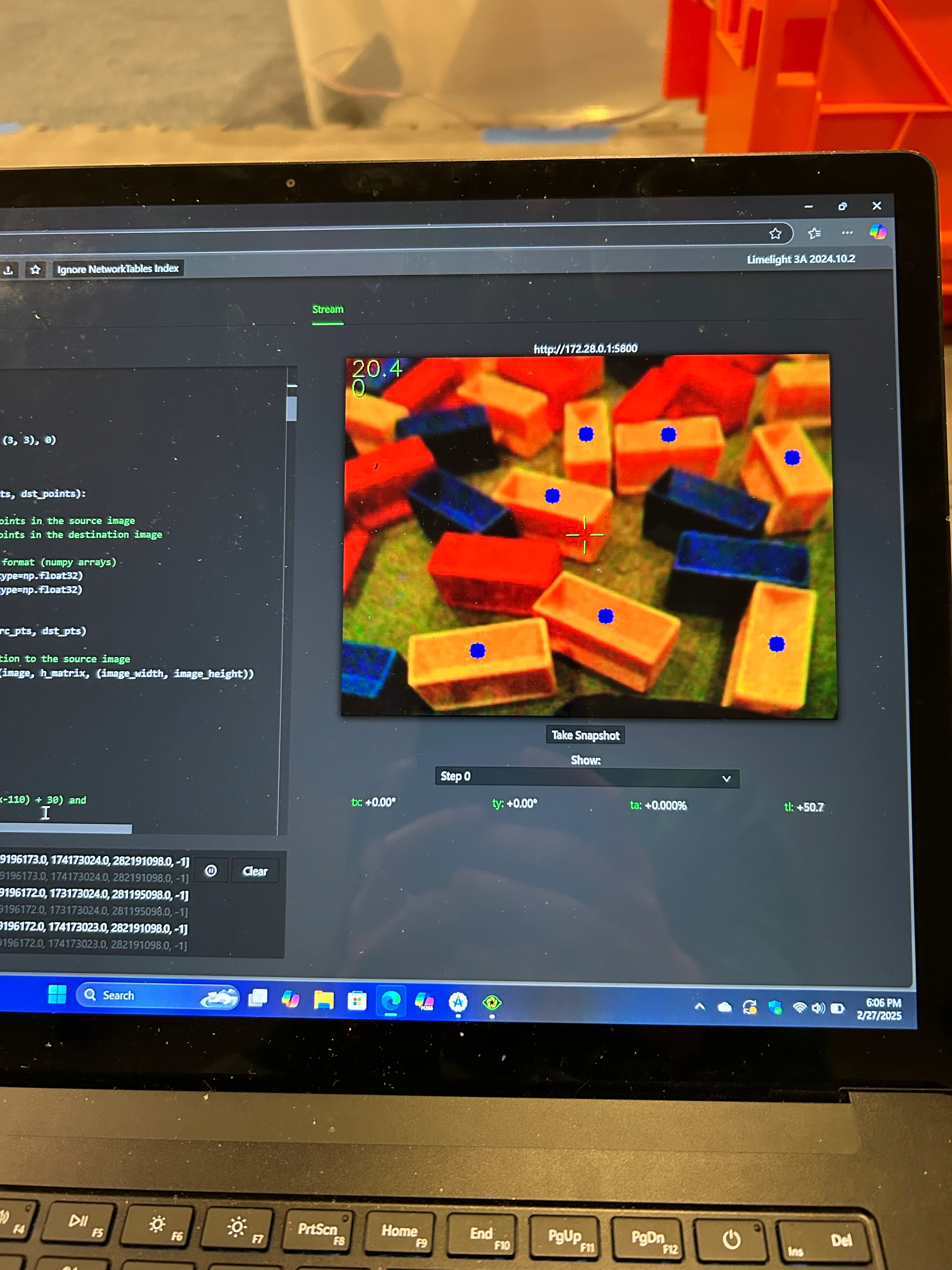
I taught myself Java and Python so I could write our autonomous routines, pathing, vision state machines, and tele-op code. Robotics programming has taught me to prioritize consistency above everything else, because the best code is not just the version that works once, but the version that keeps working when a match is on the line. That mindset now carries into other technical work too, from building reliable autonomous routines with strong OPRs and world rankings to making websites and tools that work across devices and platforms.

Graphic Design

Design Systems

Graphic Design

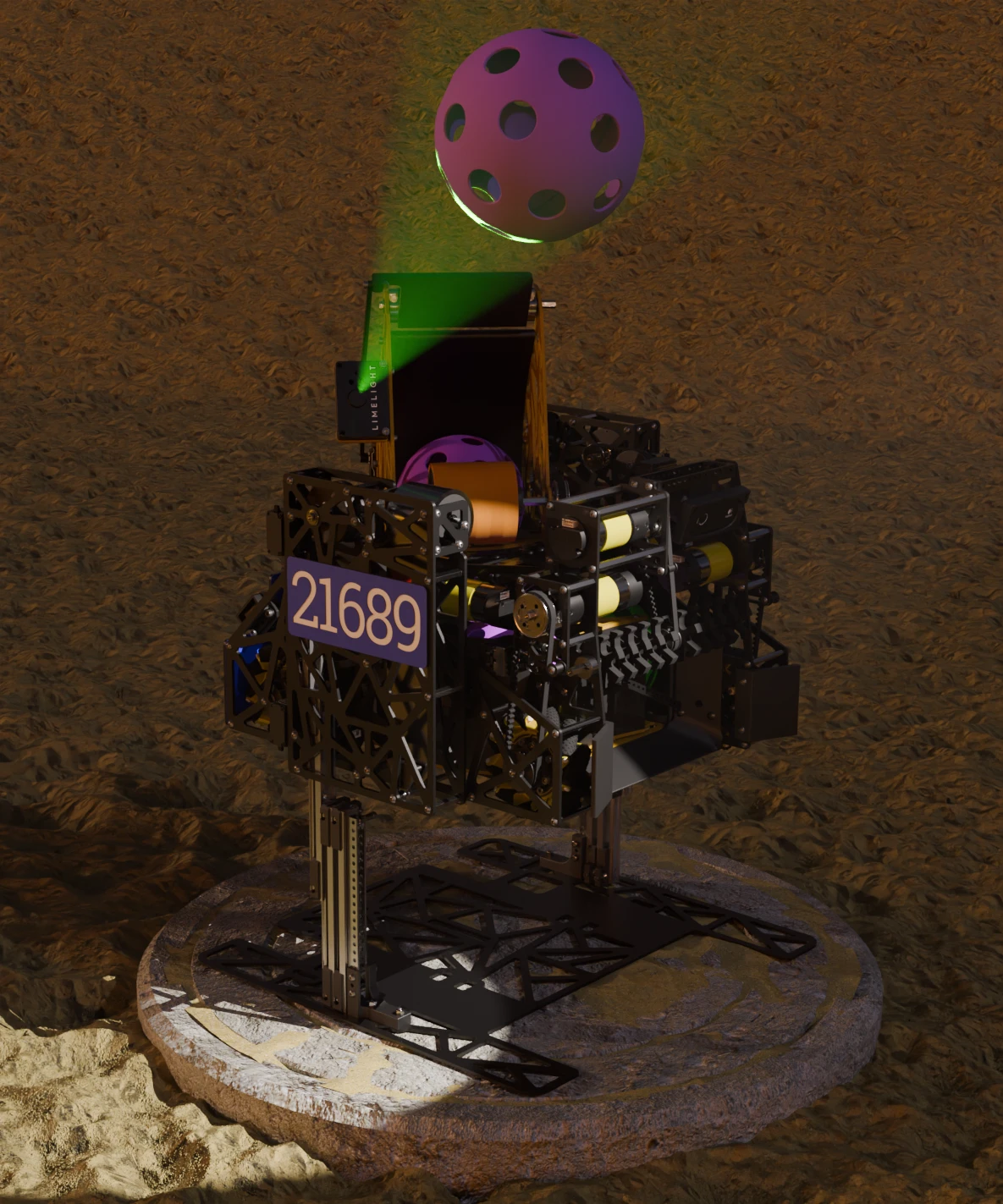
Robotics gave me a reason to learn how to make information clear, compelling, and recognizable. I have made team shirts, posters, pit displays, sponsor materials, social media graphics, CAD renders, and outreach resources using tools like Canva, Blender, PowerPoint, and apparel-design software. What started as making materials for a team has grown into a much broader skill: building a recognizable brand, making technical ideas easier to understand, and applying design thinking to web design, school projects, presentations, and the way I share knowledge.
Outreach Organization

Outreach Organization

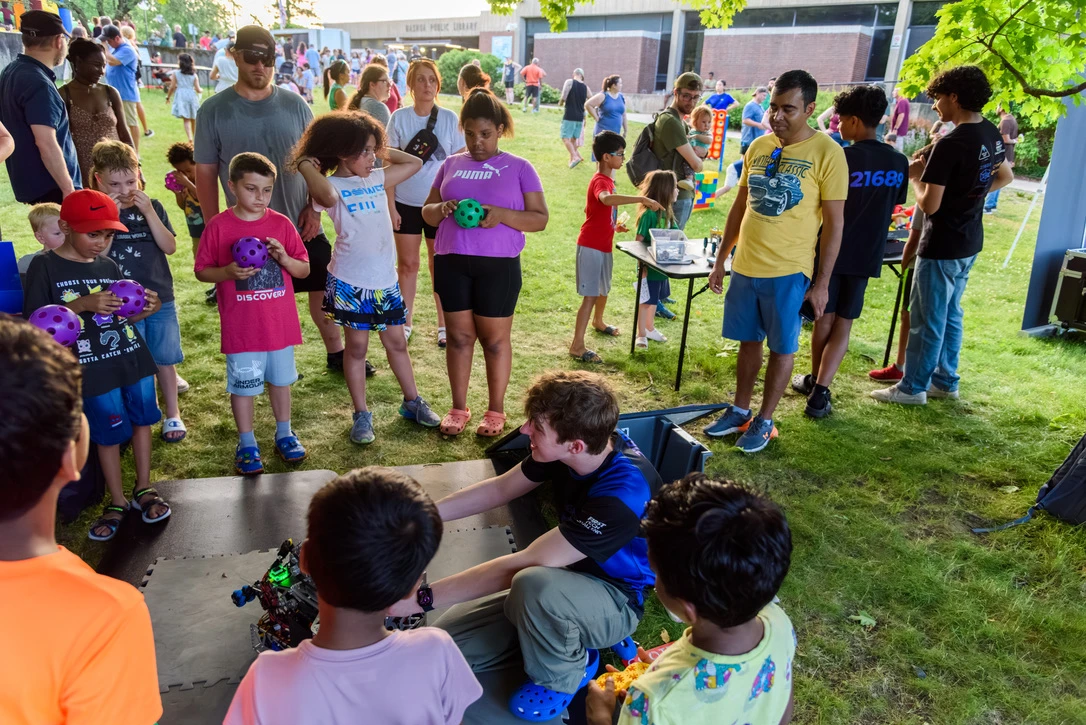
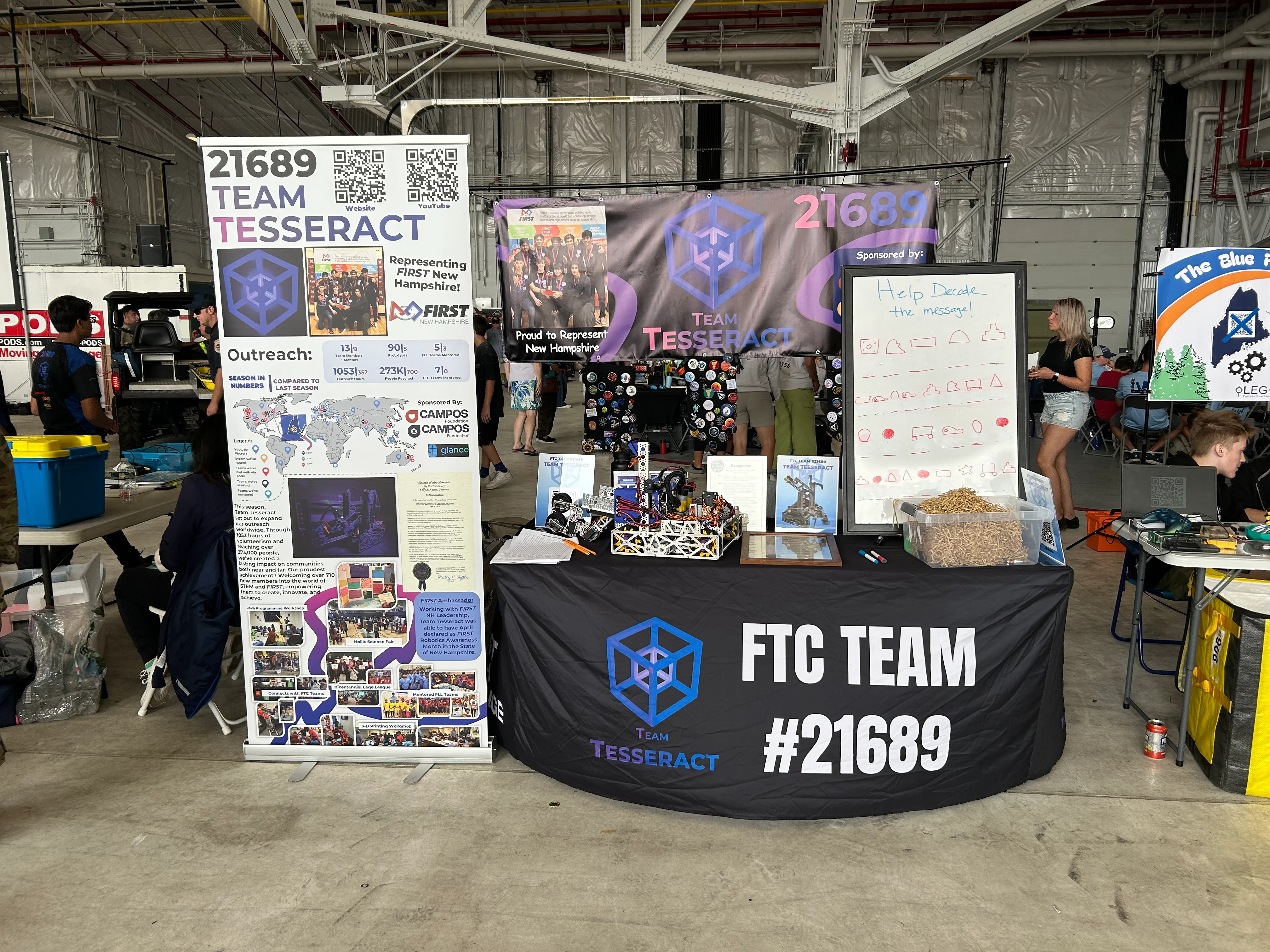
Outreach has become one of the biggest ways robotics has shaped how I work, lead, and communicate. It covers so much that it is hard to fit into one section: planning events, mentoring teams locally and globally, documenting systems, organizing team communication, scheduling, and speaking with sponsors. More than anything, outreach matters to me because robotics changed my life, and I want other students to have the same kind of access while building the communication and organization skills that now affect almost everything I do.

Fundraising

Fundraising

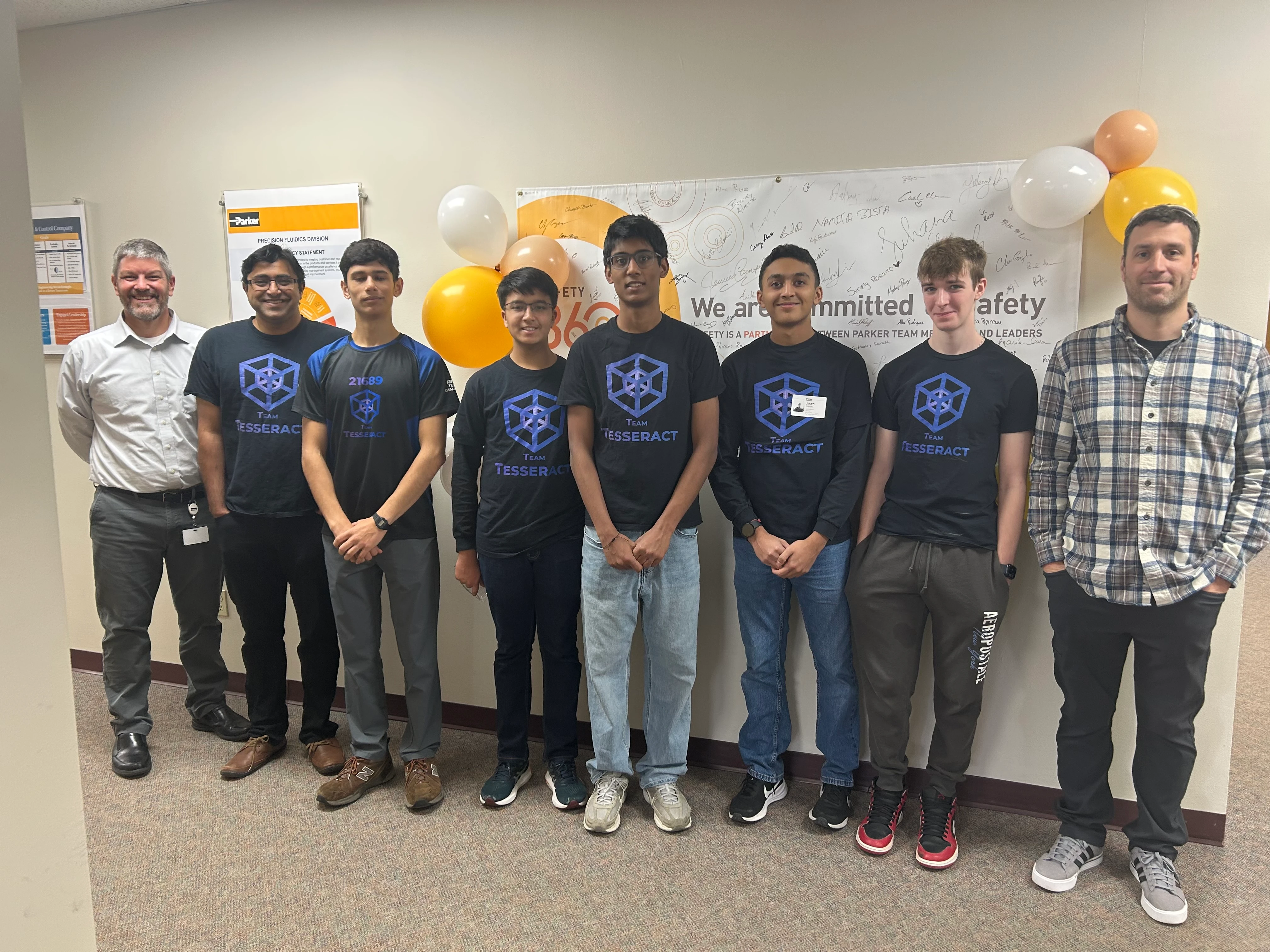
I have raised about $14,000 for robotics by reaching out to companies, individuals, and organizations and learning how to explain why the work matters. Fundraising has taught me that support is not just about asking for money; it is about building real relationships with people who understand the value of the program. Some of those connections have already turned into future internship and job opportunities, which showed me how much clear communication and long-term trust can matter.

Electrical Management

Electrical Management

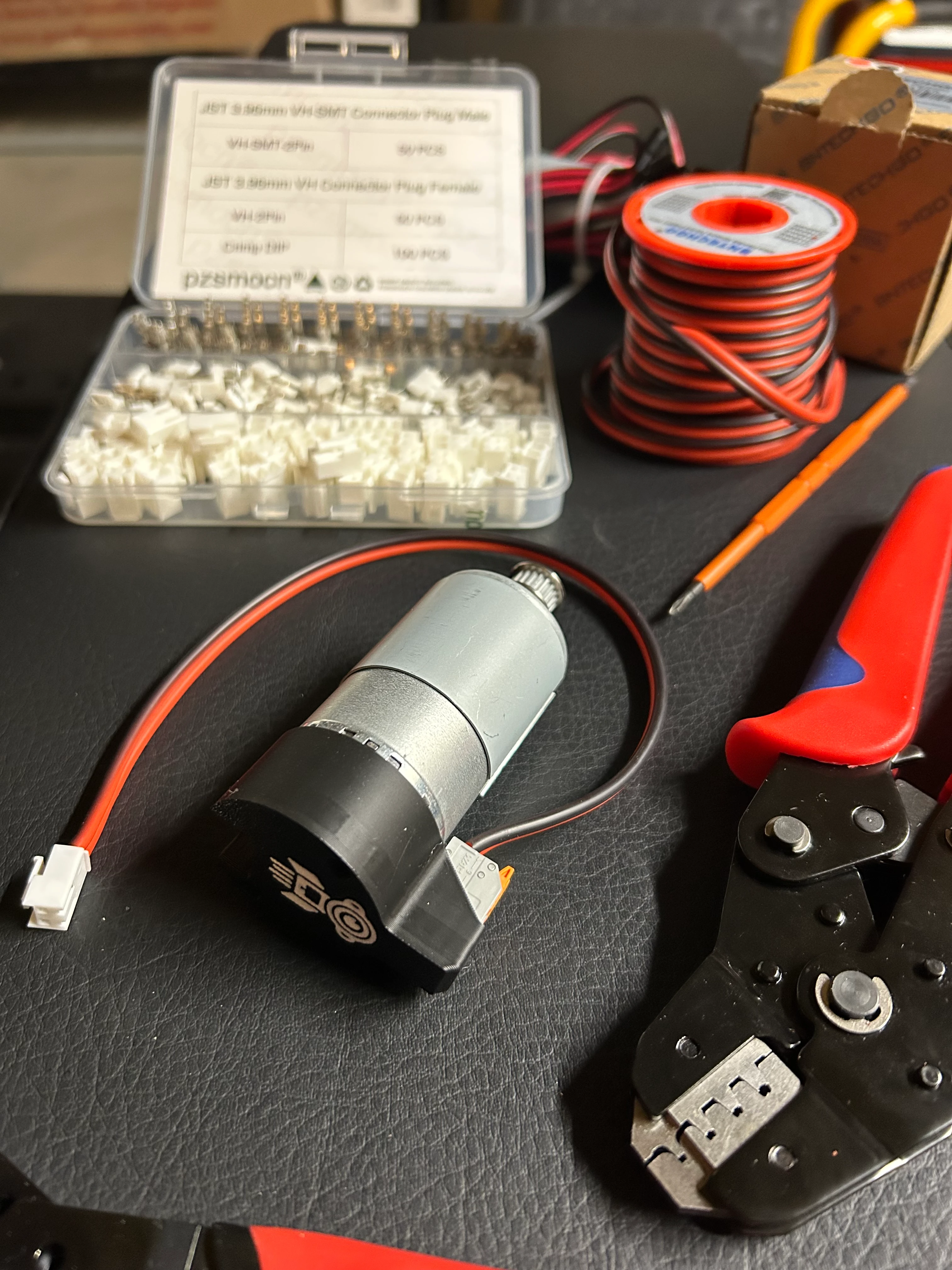
Electrical work taught me how much a robot depends on details that are easy to underestimate until something fails. I learned about wiring, crimping, diagrams, cable routing, and designing around electrical access so the robot is easier to build, troubleshoot, and maintain. It also made me better at thinking ahead about the problems that appear after a design is “finished,” especially when newer members need to understand and work on the system.